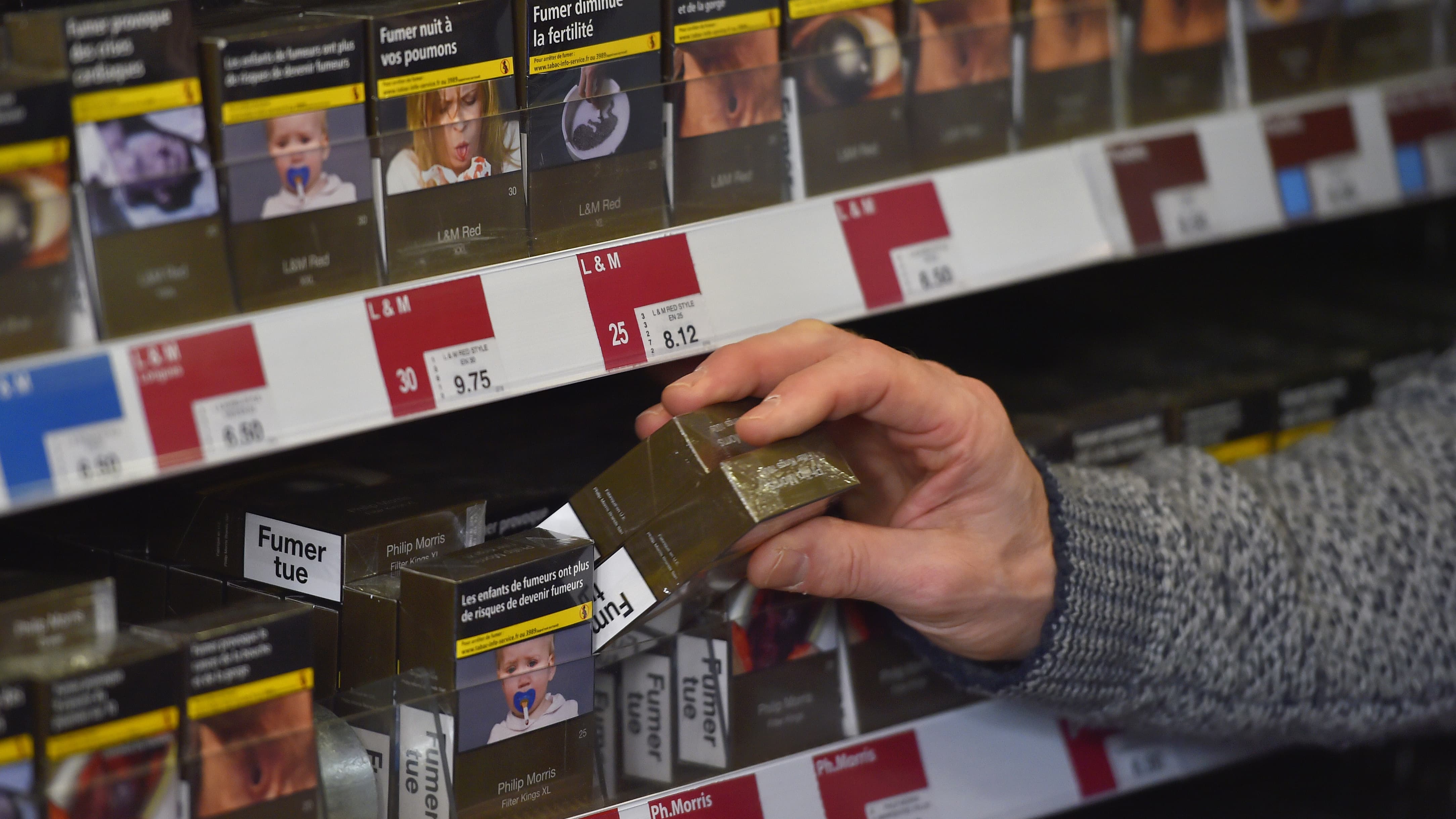
Cigarette Prices Soar: Over 500 References Affected March 1st
March 1st marks yet another significant date for smokers across the region, as cigarette and rolling tobacco prices climb for the third consecutive month. This latest wave of increases, referred to by many as the hausse tabac mars, impacts a staggering number of products – over 500 different references of manufactured tobacco are seeing their prices adjusted upwards. From well-known brands like Lucky Strike and Dunhill to popular choices such as Vogue, consumers are once again feeling the pinch of escalating tobacco costs, prompting many to re-evaluate their smoking habits.
Following a hike on January 1st and another on February 1st, this new adjustment reinforces a clear trend: tobacco products are becoming progressively more expensive. This continuous upward trajectory in pricing is part of a broader strategy, officially documented by an arrêté dated February 9, 2026, concerning the homologation of retail prices for manufactured tobacco in metropolitan France. For smokers, understanding these changes is crucial for managing their budgets and, for some, serves as a catalyst to consider healthier alternatives.
Understanding the March 1st Tobacco Price Hike
The consistent monthly increases in tobacco prices signal a determined governmental approach, aiming to both bolster public health initiatives and increase tax revenues. The sheer scale of this latest Third Consecutive Tobacco Price Hike: What It Means for Smokers underscores the breadth of its impact, with hundreds of product variations affected. This isn't just a minor adjustment; it's a significant financial shift for regular smokers.
The reasoning behind such frequent and widespread increases is multi-faceted. Governments worldwide often utilize tobacco taxation as an effective tool to discourage smoking, thereby reducing associated public health costs and improving national well-being. The steady, predictable nature of these hikes, month after month, is designed to progressively make smoking a less affordable habit, potentially nudging individuals towards cessation.
For retailers, especially tobacconists, these frequent changes mean constant adjustments to pricing, requiring vigilance to remain compliant with the latest regulations. For consumers, it translates into a growing burden on household budgets, making the decision to continue smoking increasingly costly. The cumulative effect of these increases over a short period can be substantial, rapidly changing the financial landscape for those who smoke regularly.
Key Brands Facing Significant Increases
While the hausse tabac mars affects a wide array of products, several major brands are particularly noteworthy for their price jumps. These adjustments highlight the premium certain brands now command and could influence consumer choices.
Lucky Strike Sees Second Consecutive Jump
For consumers loyal to Lucky Strike, this month brings the second consecutive price increase. Most packets from this flagship brand of British American Tobacco are experiencing an additional €0.30 surge. For instance, a pack of Lucky Strike Red (20 units) will now cost €13.00, up from €12.70. This follows a €0.20 increase just last month, making the cumulative impact even more pronounced.
Other popular variants within the Lucky Strike range are subject to similar increases, including:
- Lucky Strike Bleu (20 units)
- Lucky Strike Gold (20 units)
- Lucky Strike X Series (20 units)
- Lucky Strike X Series Clair (20 units)
These consistent hikes reflect a strategy across major brands, gradually moving prices upwards in line with regulatory changes.
Dunhill Breaks the €14 Barrier
Dunhill, already considered a premium brand, solidifies its position as one of the most expensive choices on the market with the March 1st increases. Having seen a €0.20 rise last month (from €13.50 to €13.70), this month sees Dunhill Argent, Dunhill Bleu, and Dunhill Rouge (20 units) all reaching the €14.00 mark. The Dunhill International Rouge Select goes even higher, now priced at €14.10.
This places Dunhill significantly above many other popular brands like Camel, Winston, and Philip Morris, most of which currently sit around €13.00 per pack. For more details on this specific brand's jump, you can refer to our related article: Dunhill Hits €14 as Lucky Strike & Vogue Prices Rise March 1st.
Vogue Joins the Higher Price Tier
Vogue, another brand that often commands a slightly higher price point, is also impacted by the hausse tabac mars. Previously sold at €13.20 per pack, several references of Vogue cigarettes will now see a €0.30 increase. This brings the price of Vogue L'Originale (Blanche, Bleue, and Pastel) to €13.50.
While slightly less expensive, the Vogue L'Originale Verte variants (Claire, Crystal, and Ice), which were previously at €12.60, are also expected to see a corresponding increase, though the exact new price for these specific variants was not immediately specified, they will certainly follow the general upward trend to maintain their relative positioning within the brand's portfolio.
Marlboro Holds Steady (For Now)
It's worth noting that not all major brands are increasing their prices with every wave. For the time being, Marlboro Red or Gold packs remain at €13.50. This places them alongside the newly priced Vogue L'Originale range, and still below the premium Dunhill offerings. This selective pricing strategy might lead to shifts in consumer preference, as some smokers may opt for brands that have not yet reached the highest price points.
Beyond the Price Tag: What This Means for Smokers
The consistent hausse tabac mars and preceding increases represent more than just a minor inconvenience; they signify a fundamental shift in the cost of smoking. For a pack-a-day smoker, a €0.30 increase per pack translates to an additional €9 per month, or €108 per year. When combined with previous hikes, the annual financial burden can easily amount to hundreds of euros, forcing many to confront the true economic cost of their habit.
This financial pressure is intentionally designed to coincide with public health objectives. Higher prices are proven to be one of the most effective ways to reduce smoking prevalence, especially among younger populations and those with lower incomes. The government's clear message is that continued smoking will come at an increasingly steep price, both financially and in terms of health.
Beyond the individual smoker, these price changes can also influence market dynamics. Some consumers may switch to cheaper brands or opt for rolling tobacco, which often presents a lower initial cost per cigarette. There's also the risk, albeit unintended, of driving some consumers towards illicit tobacco markets, an issue that authorities are continually working to combat. Ultimately, the cumulative effect of these hikes creates a compelling incentive for smokers to consider quitting, aligning their financial well-being with their long-term health.
Navigating the Changing Landscape: Tips for Smokers
For those impacted by the hausse tabac mars and future price increases, taking proactive steps can help mitigate the financial strain or even lead to healthier choices. Here are some practical tips:
- Evaluate Your Consumption: Honestly assess how much you smoke. Tracking your daily intake can reveal surprising insights into your expenditure.
- Budgeting & Tracking: Incorporate tobacco costs into your monthly budget. Seeing the actual numbers laid out can be a powerful motivator for change. Consider how much money you could save annually if you cut back or quit entirely.
- Explore Cessation Resources: If you're considering quitting, numerous resources are available. Consult your doctor, inquire about nicotine replacement therapies (NRTs) like patches or gum, or look into support hotlines and apps designed to help you on your journey. Organizations dedicated to smoking cessation offer invaluable guidance and support.
- Understand Nicotine Alternatives: While the primary goal for many is complete cessation, some explore less harmful nicotine alternatives under medical guidance. Researching these options and discussing them with a healthcare professional can be part of a broader harm reduction strategy.
- Consider the Long-Term Benefits: Beyond the immediate financial savings, quitting smoking offers immense long-term health benefits, significantly reducing the risk of numerous diseases. Frame the rising prices not as a punishment, but as an external push towards a healthier, wealthier future.
Conclusion
The hausse tabac mars is more than just another price adjustment; it's a clear signal of an ongoing, determined effort to reshape the tobacco landscape. With over 500 references affected and popular brands like Lucky Strike, Dunhill, and Vogue seeing substantial increases, the financial impact on smokers is undeniable. As prices continue their upward trajectory, the motivation to quit smoking, driven by both financial prudence and health awareness, grows stronger. For many, this latest series of price hikes will serve as a timely reminder that there has never been a better time to prioritize health and free up significant disposable income by choosing a smoke-free life.